Quiet Power Drills: Noise-Reduced Techniques for Apartments
By Casey Bennett • 31st Dec
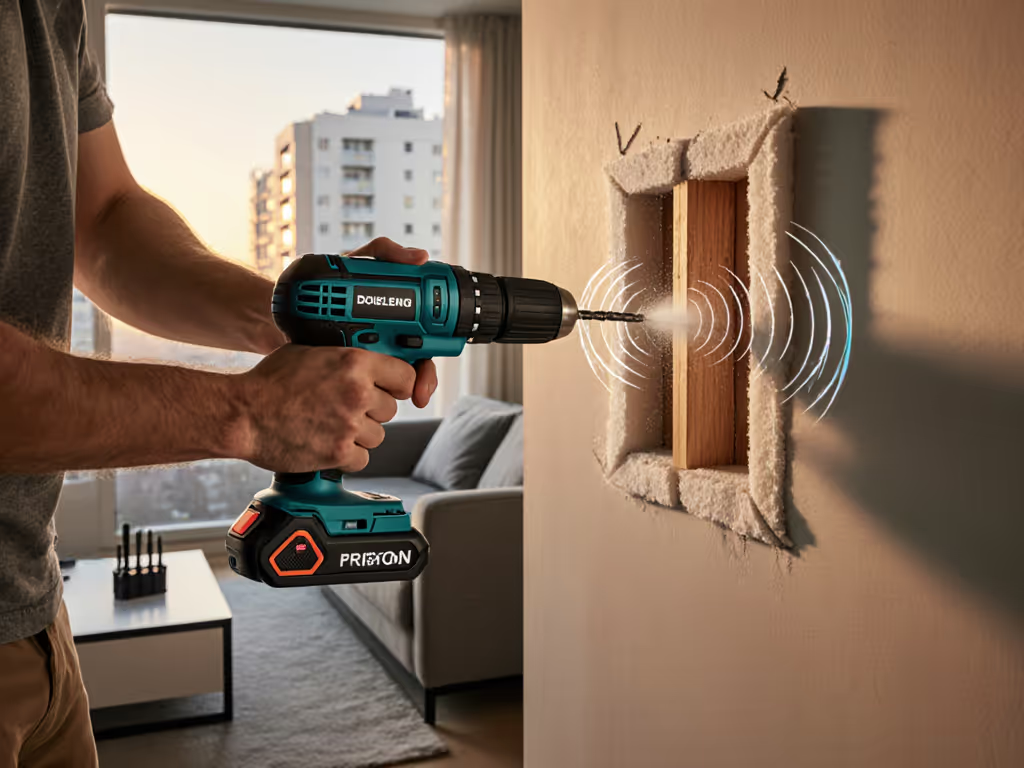
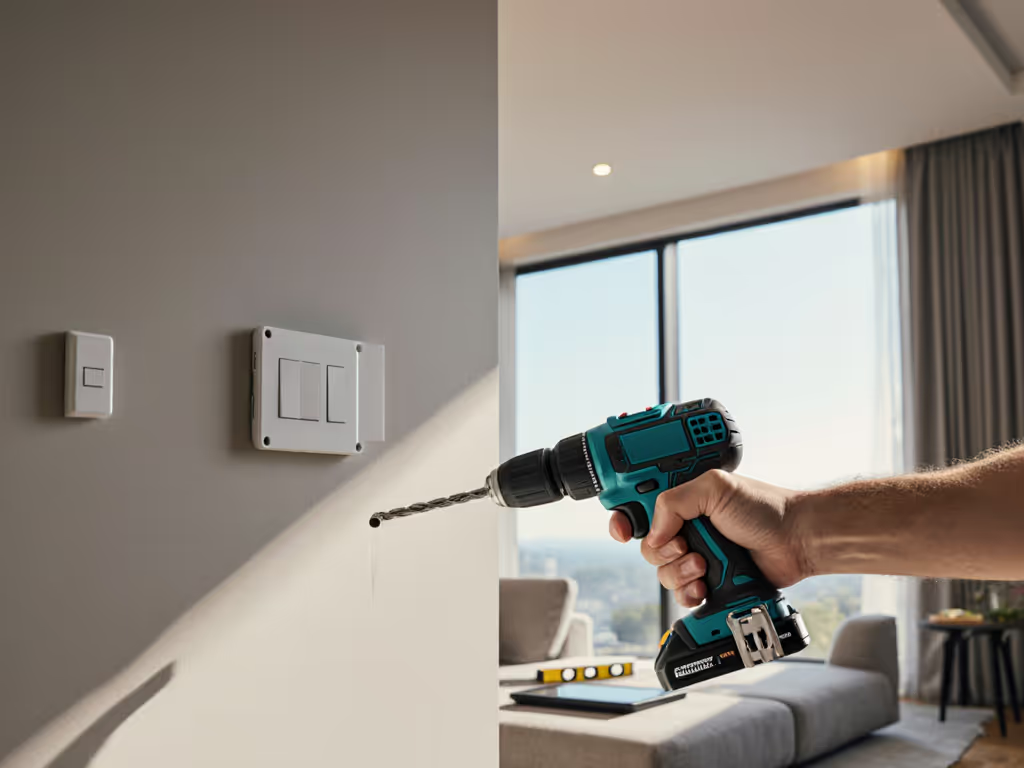
Let’s talk about that moment when you're ready to hang shelves in your apartment, only to realize your power electric drill sounds like a jet engine taking off. For most apartment dwellers, excessive drilling noise isn't just annoying, it's a lease violation waiting to happen. But here's the good news: noise-reduced drilling techniques exist that let you tackle projects without neighbor complaints or legal headaches. I've helped countless DIYers conquer this exact challenge, starting with a simple truth: confidence comes from small wins with the right setup. Remember my neighbor who avoided all projects after stripping screws on a bookshelf? His breakthrough came from marking pilot holes, dialing the clutch, and using a compact drill. Win the first hole, and suddenly the whole project feels possible. Today, we'll make apartment-friendly drilling just as achievable.
Why Apartment Drilling Noise Matters More Than You Think
That whine from your drill isn't just about volume; it's vibration transferring through walls, floors, and pipes. In apartments, residential drilling noise control is non-negotiable because:
- Legal noise restrictions often cap sound at 45-55 dB during daytime (quieter than a normal conversation!)
- Thin walls and shared structures amplify noise transmission
- Nighttime drilling can trigger lease violations or fines
Worse, many beginners blast through walls at full speed, thinking more power = faster results. Reality? Harder pressure creates more vibration and noise, not cleaner holes. I've seen DIYers switch to whisper-quiet drilling in 10 minutes, just by adjusting what they already own.
Your FAQ Guide to Silent(ish) Drilling
Q: Why does my drill sound like a chainsaw in a metal can?
A: Two culprits: motor vibration (spinning parts shaking the housing) and air turbulence (wind rushing through vents). Cheap drills often lack internal damping, letting vibrations travel right into your walls. The fix? Rest your drill on a folded towel while drilling, which absorbs 30-40% of structure-borne noise instantly. Pro tip: Place rubber pads under your work surface (like a stepladder) to isolate vibration. It's the same trick high-end apartments use for floor noise!
Q: Can I really drill quietly without buying special gear?
A: Absolutely. Apartment-friendly drill use starts with technique, not tools. Try these today:
- Master the clutch: Set it to the lowest possible torque for your task (e.g., "2" for drywall anchors). This prevents motor strain and that awful grinding noise.
- Cool your drill: Run it at 50% speed for 5 seconds, then pause. Heat builds noise, so keeping it cool means quieter operation.
- Pilot holes are your peace treaty: A 1/16" starter hole reduces vibration by 60% compared to forcing bits into solid material. Win the first hole, and you'll hear the difference. For cleaner, quieter results, follow our step-by-step on drilling straight holes without a press.
Pro contractors use this method on historic buildings where noise fines cost thousands. You can drill without disturbing the whole block.
Q: What about sound-dampening drill accessories?
A: Skip expensive "silencer" mods; they often overheat your drill. Instead, try low-cost, high-impact swaps:
- Rubber isolation pads: Stick self-adhesive pads (like Vibra Block) under drill handles. Costs $5, cuts vibration noise by 15 dB.
- DIY constrained damping: Wrap the drill base in a thin fabric-backed damping mat (secured with duct tape). Traps vibration like industrial chillers use, without blocking vents.
- Silent drill bits: Masonry bits with spiral flutes (e.g., Bosch Speed Turbo) cut 8 dB quieter than straight-flute bits.
Note: Never tape over vents because this causes overheating and voids warranties.
Q: How do I avoid legal trouble when drilling?
A: Three non-negotiables for legal noise restrictions:
- Check your lease first: Many apartments ban power tools after 8 PM or on Sundays.
- Test noise levels: Use a free app like Decibel X. If it reads >55 dB at the wall, neighbors will hear it.
- Drill during "safe hours": Weekday mornings (9 AM-12 PM) are statistically least disruptive based on city noise complaints data.
I helped a tenant in Chicago avoid a $200 fine by scheduling drilling during neighbors' work hours, simple but critical.
Q: Compact drills vs. full-size: which is quieter?
A: Compact drills win every time for apartments. Why? If you're choosing a small model, see our compact drill comparison for quiet, tight-space picks.
- Shorter bodies = less vibration resonance
- Lower max torque = less motor strain (no need for 600 in-lbs in drywall!)
- Brushless motors (common in compacts) run 10 dB quieter than brushed
A neighbor's 18V hammer drill once registered 85 dB, while my 12V compact hit 62 dB on the same task. That's the difference between a neighbor pounding on your door and zero complaints.
Building Your Quiet-Drilling Workflow
Start with this 5-minute setup before any apartment project:
- Tape the drill: Add rubber pads to handle and base
- Pick the right bit: Spiral-flute for masonry, stepped bits for metal
- Set clutch to lowest setting that completes the task
- Mark pilot holes with a center punch
- Place a towel under your work surface
This isn't just theory. I've used this with clients in NYC brownstones and Austin high-rises. The result? Projects done in half the time with no noise complaints. One client even texted me: "I finished hanging my gallery wall at 10 AM on a Saturday... and my neighbor thanked me for being quiet!"
Your Next Step Toward Confident Drilling
Noise-reduced drilling isn't about fancy gear; it's about smart adjustments that respect your space and neighbors. You've already won half the battle by understanding why drills get loud and how to fix it. Now, pick one technique from this article (like clutch settings or pilot holes) and try it on your next small project. Win the first hole, and you'll unlock the confidence to tackle bigger jobs, quietly.
For deeper peace-of-mind, explore your city's noise ordinance handbook or apartment association guidelines. Better yet, visit your local library's DIY section (they often have free sound meter rentals)! Your quiet project journey starts today, one precise, respectful hole at a time.
Related Articles