High Altitude Power Drill Confidence: Mountain Performance Fixes
By Casey Bennett • 14th Jan
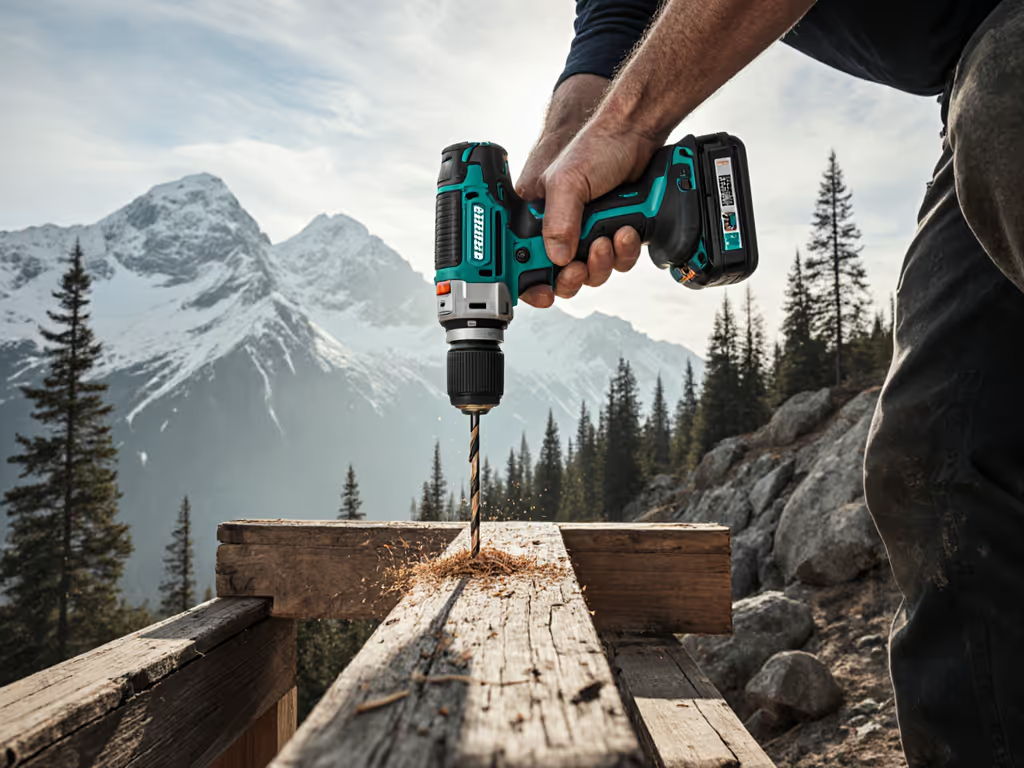
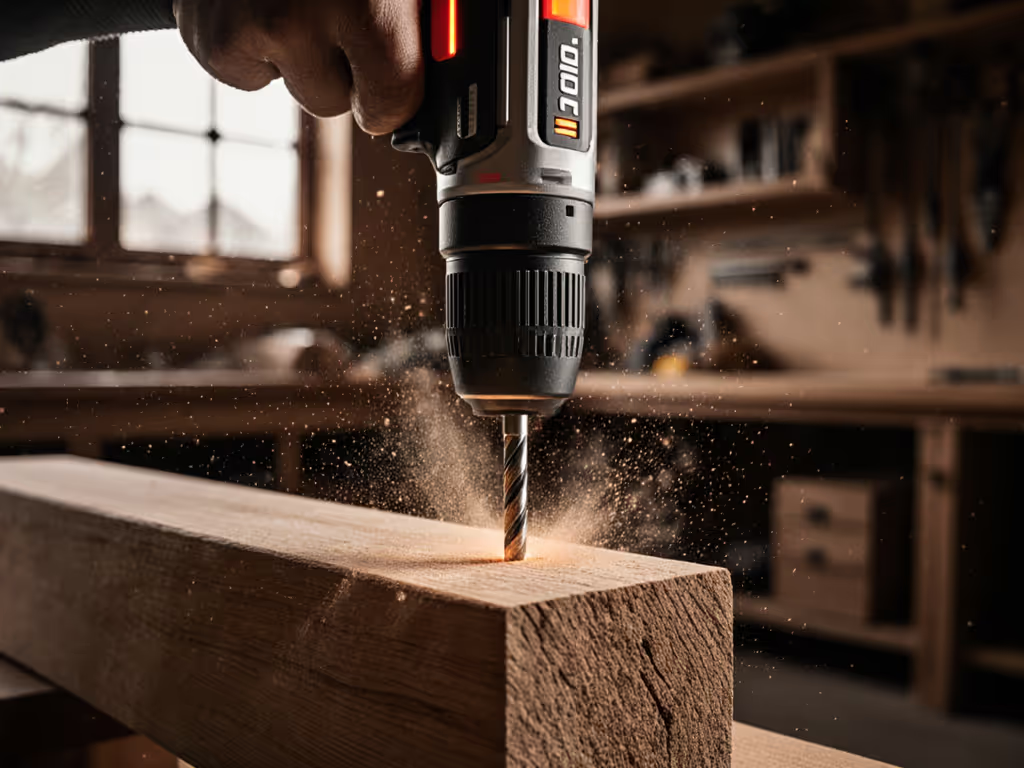
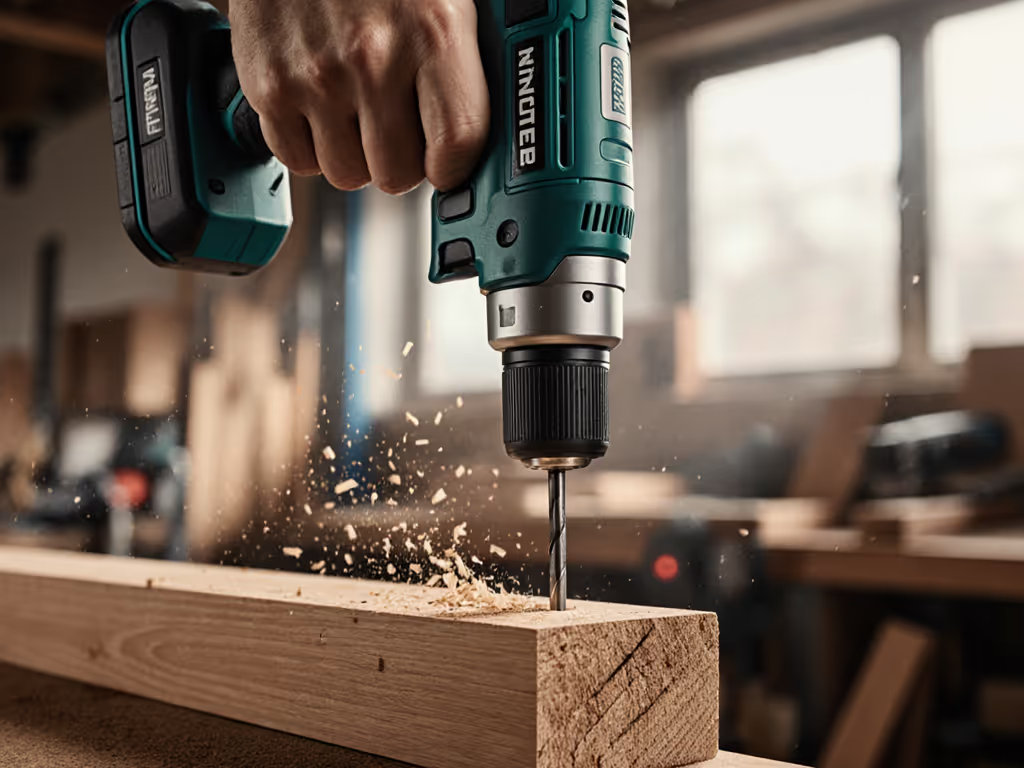
If you've ever tried drilling on a mountain trail or fixing your cabin deck above 5,000 feet, you've probably noticed something strange: your trusty drill suddenly feels weaker, drains faster, and just doesn't perform like it does at home. You're not imagining things. High-altitude power drill performance really does change as you climb higher, but with the right adjustments, you can still win the first hole and build confidence on any elevated project. Let's tackle this together with simple, field-tested solutions that get real work done.
Why does my drill feel weaker at higher elevations?
It all comes down to thin air. At higher elevations, reduced atmospheric pressure means less oxygen reaches your drill's motor (especially for corded models), and batteries discharge differently in lower pressure environments. While your cordless drill doesn't "breathe" like a gas engine, the electronics and cooling systems operate less efficiently in thin air. Think of it like hiking, just as your body works harder with less oxygen, your drill faces similar challenges. Get field-tested protocols in our battery temperature care guide.
Many DIYers I've worked with assume they need a "more powerful" drill when their current one underperforms at altitude. But here's what I tell them: Start with the project, then match the drill and batteries. That neighbor of mine who stripped screws on his bookshelf? Same story. He grabbed the biggest drill he owned instead of dialing in what he already had.
How does altitude specifically affect common drilling tasks?
For mountain construction drilling projects:
- Reduced torque output: You'll notice your drill struggling more with dense materials like treated lumber or rock-faced siding
- Shorter runtime: Batteries deplete 15-20% faster at 8,000 feet elevation compared to sea level
- Slower penetration rates: Hole drilling feels "mushy" as the motor can't cool as efficiently
- Increased bit binding: Thin air changes how chips clear from the hole
This is not just theoretical. Last summer I helped a crew installing solar panels on a Colorado property at 10,000 feet. They were frustrated with stripped screw heads until we adjusted their technique. Your experience might be similar when building a deck, installing handrails, or mounting fixtures in mountain cabins.
What practical adjustments can I make for high elevation tool performance?
Don't rush to buy new gear. First, make these simple tweaks that cost nothing, but improve results immediately:
Technique adjustments for thin air drilling
- Pre-mark all your pilot holes, this helps you place pressure precisely where needed
- Reduce your speed setting by one level (e.g., from position 15 to 12 on most drills)
- Use shorter burst drilling (2-3 second intervals instead of continuous drilling)
- Clear the hole more frequently (especially when working in dense wood or masonry)
- Apply consistent, firm pressure. Do not "ride" the trigger lightly
Setup changes that make a big difference:
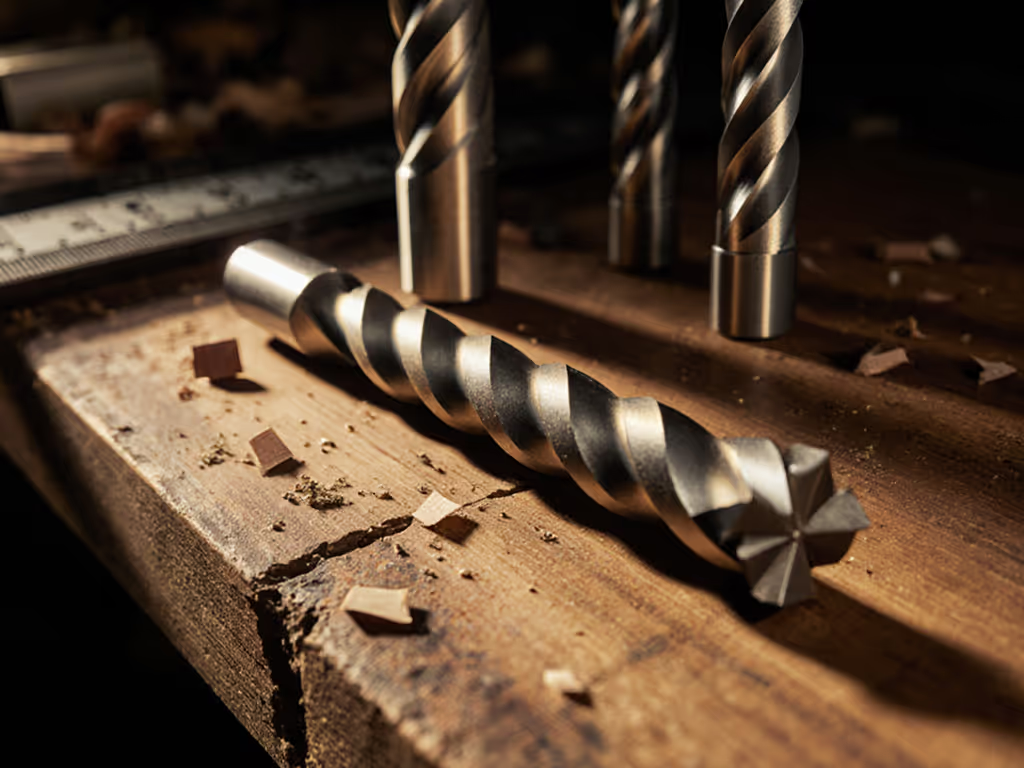
- Switch to sharp, clean drill bits (dull bits increase strain)
- Pre-drill smaller pilot holes than you normally would at sea level
- Lower your clutch setting by 1-2 numbers for better control
- Keep batteries warm in an inside pocket when not in use
- Work in the morning when temperatures are cooler for better battery performance
Confidence isn't about having the most powerful tool. It is about understanding how to get reliable results from what you already own. Small wins build mountain-ready confidence.
How do I choose the right drill for mountain work?
Focus on these features rather than raw power:
- Lightweight compact design (under 3.5 lbs with battery) for less fatigue when working overhead
- Precise clutch control with at least 15 settings
- Brushless motor technology (better efficiency in temperature extremes)
- Battery indicators that show actual charge level, not just "full/empty"
- Good ergonomics with comfortable grip for cold conditions
Avoid the "bigger is better" trap. I've seen too many DIYers buy max-torque drills for simple mountain projects, only to struggle with control and weight. Instead, choose a platform that offers batteries designed for performance in temperature extremes. Your weekend deck project shouldn't require hauling around a drill that feels like a sledgehammer.
What safety considerations matter most at elevation?
Special precautions for high-altitude work:
- Watch for increased fatigue (you and your tools tire faster at elevation)
- Double-check your footing (working on slopes with vibration from drilling increases fall risk)
- Use eye protection (fine dust hangs in the air longer in thin atmosphere)
- Bring extra batteries (always have at least one more than you think you'll need)
- Check electrical cords (if using corded tools, inspect for damage; thinner air can affect insulation properties)
Safety isn't just about big accidents. Review essential power drill safety guidelines before starting mountain projects. It is also about preventing the small frustrations that make you abandon projects. Remember that neighbor avoiding projects after stripping screws? It started with small confidence killers.
How can I build confidence with high-altitude drilling?
Confidence comes from small wins with the right setup. Before tackling your main project:
- Test on scrap material at similar elevation to your worksite
- Start with small pilot holes in softer wood first
- Gradually increase hole size as you get comfortable with the feel
- Mark your drill settings that work best for reference later
- Celebrate those small successes. Each one builds capability for the next challenge
When that neighbor finally won the first hole with properly marked pilot points and dialed clutch settings, something shifted. He didn't just fix his bookshelf. He gained confidence to tackle the whole weekend of projects he'd been avoiding.
Final Thoughts: Your Mountain Project Awaits
High-altitude drilling doesn't have to feel like fighting your tools. With these adjustments to your technique, setup, and mindset, you can approach any elevated project with confidence. Remember that true capability comes not from the most powerful drill, but from understanding how to get consistent results from the tools you already own. Your mountain deck, cabin repair, or trailside project is waiting. Equipped with these insights, you're ready to win every hole.
Ready to take your mountain projects to the next level? Check out our free printable checklist: "10 High-Altitude Drilling Adjustments Every DIYer Should Know." It includes material-specific pilot hole sizes and clutch settings for common mountain projects. Because the best view comes after you've confidently finished the work.
Related Articles